Art & Design Overview 2025-26
| Intent |
|---|
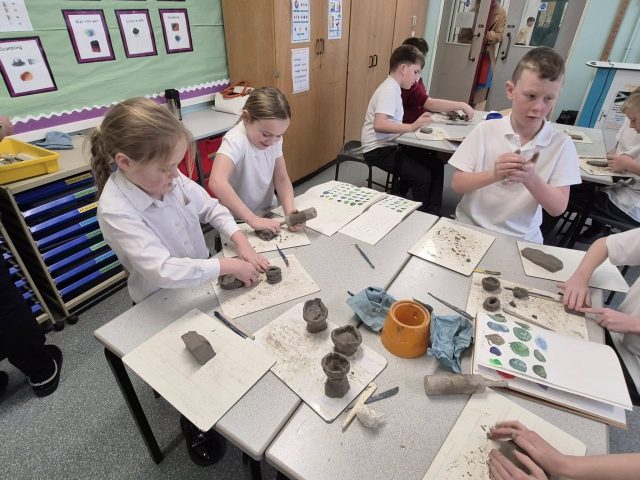
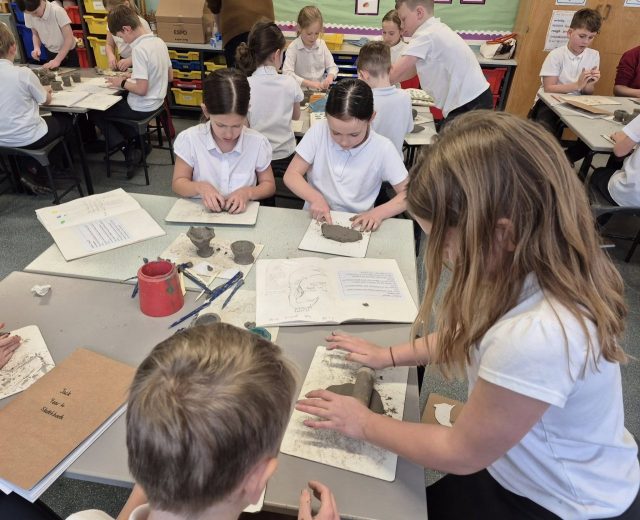
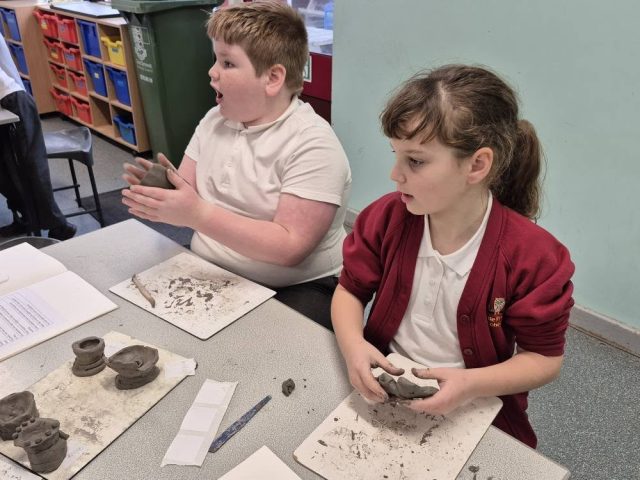
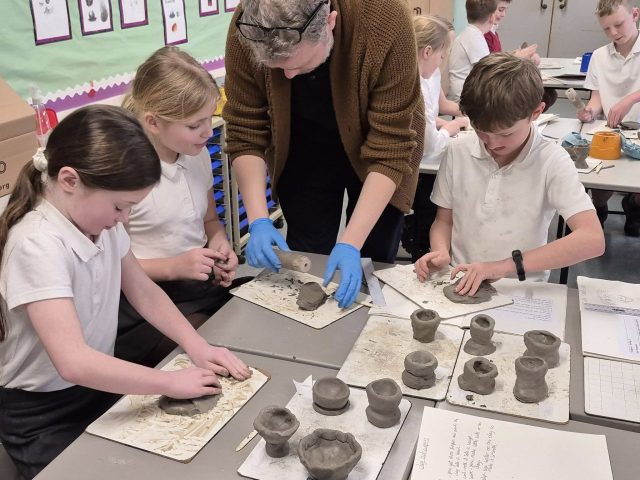
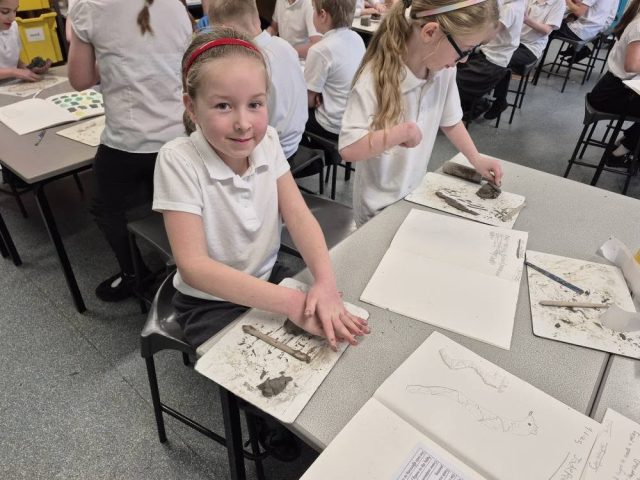
| At Hillside Primary School, we aim to teach children how to grow into positive, resilient and responsible people. People who can work and co-operate with others, whilst developing knowledge, skills and attitudes to learning, in order that they achieve their true potential. We have a ‘progressive skills’ approach to the teaching of Art. It is part of the wider curriculum. We believe that all children can achieve in Art and that this can be accomplished by children exploring the world they live in by following their creative ideas and imagination. The progressive skills approach can inspire all children to appreciate and enjoy Art, enabling them to access the cultural richness and diversity of the world that they live in. It will give them the ability to make informed, critical responses of their own work as well as that of others. Our Art and Design curriculum from Year 1 to Year 6 will encourage children to build on their knowledge, skills and understanding of materials and processes. Key features of our Art and Design curriculum: • High expectations for every child • Every child is inspired through their own art and that of others • All children have the freedom to express their opinion, uniqueness and individuality • Children will use a wide range of materials creatively and develop techniques in using colour, pattern, texture, line, shape, form and space • Children understand that art can reflect themselves, the community and the wider world • Children take risks, challenge themselves and learn new skills • Children will be given opportunities to become proficient in drawing, painting, printing, collage and 3D (sculpture) • Opportunities to study, evaluate and analyse different artists’ work and movements in history using the language of art, craft and design. • To create sketch books to record observations and use them to review and revisit ideas. In the Early Years, the early foundations of the Art curriculum are assessed through the ‘creating with materials’ and ‘being imaginative and expressive’ units. The Early Excellence resources help the children access Art through a range of continuous provision elements, with the view to enhancing their imagination, creativity and fine motor skills. The Art and Design curriculum engages, inspires and challenges our pupils and provides them with the knowledge and skills to experiment, invent and create their own works of art, craft and design. They also learn how Art and Design reflect and shape our history and contribute to the culture and creativity of society. |
| Implementation |
|---|
| Plans for Art and Design for Key Stage One and Two have been developed to provide a comprehensive, balanced progression of subject-specific skills, cross-curricular links and activities that cover the requirements of the primary National Curriculum programme of study which encourages creativity and exploration. Teachers plan lessons for their class using our progression of knowledge and skills document. The progression document ensures the curriculum is covered and the skills/knowledge taught is progressive from year group to year group. Pupils will undertake studies of artists and designers and critically appraise known artists/designers work, offering their opinions where appropriate. Knowledge of styles and techniques will be used to appraise their own and others’ work. At Hillside, we implement regular assessments to measure progress, creativity, and understanding of artistic concepts. We collect feedback from teachers and pupils through surveys and focus groups. Use assessment data to identify areas for improvement and adapt teaching methods and resources accordingly. |
| Impact |
|---|
| In Art, children are reflective and evaluate their own and peers work, thinking about how they can make changes to keep improving. This is meaningful and continuous throughout the process, with evidence of age-related verbal and written reflection. At the end of each unit of term, we make a summative judgement about the achievement of each pupil. Teachers decide upon a ‘best fit’ judgement as to whether the pupil has achieved and embedded the expected learning goals, exceeded expectations, or is still working towards the goals. These decisions are based on the professional knowledge and judgement that teachers possess about the progress of each pupil, developed over the previous three terms, which allows an informed and holistic judgement of attainment to be made. Achievement against the learning goals for Art at the end of the year is used as the basis of reporting progress to parents and carers. In the academic year of 2024-5: At the end of the Reception (EYFS), 97% was achieved in the ‘creating with materials’ and ‘being imaginative and expressive’ units which closely demonstrate the early foundation stages of the Art curriculum. At the end of Key Stage 1, nearly 80 % were at the expected level. Over 70% or above overall across all the Art units. Over 88% were at expected or above in Key Stage 2. Over 6% were at the exceeding level. 80% or higher were at the expected level overall across all of the Art units. |